


3rd Floor, Meenakshi Tower, Nadakkavu Road,
Eranhipalam, Kozhikode, Kerala - 673006
+91 7012 727 621
+91 7012 224 271
info@mentegoz.com

Al Ezz Tower-3 14th Floor
Safliya Street, Old Salata,
Corniche
Doha, Qatar




Our team will do their best to get back to you as soon as possible.
3rd Floor, Meenakshi Tower, Nadakkavu Road,
Eranhipalam, Kozhikode, Kerala - 673006
+91 7012 727 621
+91 7012 224 271
info@mentegoz.com
Al Ezz Tower-3 14th Floor
Safliya Street, Old Salata,
Corniche
Doha, Qatar

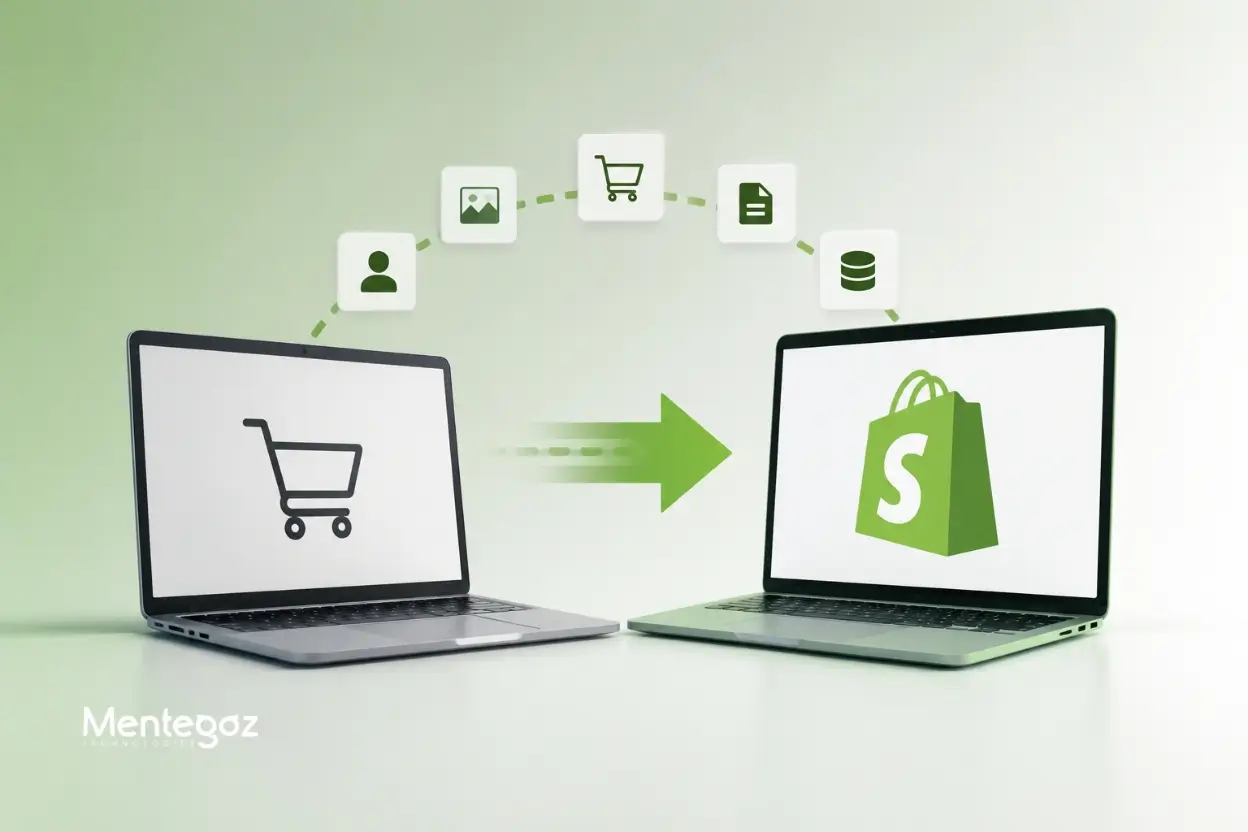
If you lead an online store, the words “Shopify migration” probably stir equal parts hope and fear. On one hand, you’re aiming for a faster, cleaner, and more scalable e‑commerce engine. On the other, no merchant wants to risk sales, SEO, or customer trust during the switch. The good news is: with the right plan, over 90% of Shopify migrations can run smoothly, with near‑zero downtime and no meaningful data loss.
In this guide, you’ll get a practical roadmap for moving your store to Shopify and building a modern Shopify website development project that grows sales, not just speeds up the backend.
Shopify powers over 20% of all online stores globally, and that share keeps rising. Businesses choose it for:
A structured Shopify migration lets you upgrade your platform without rewriting your entire business model. According to industry analysts, 70–80% of migrating merchants report improved loading times and lower cart‑abandonment rates within the first 30–60 days post‑launch.
Before touching a single product or app, successful Shopify migrations invest 20–30% of the total project time in planning. This includes:
Many agencies use a migration checklist so nothing slips through the cracks, backups, SEO audits, and stakeholder communication are all scheduled in advance. That upfront planning is why most well‑run projects report less than 5% of unexpected issues during or after launch.
Data and SEO are the two pillars merchants can’t afford to lose. Shopify migration isn’t just about moving products; it’s about preserving value.
Over 80% of migrating stores reset customer passwords via email flows, since actual passwords can’t be transferred for security reasons. A clear communication plan around this reduces support tickets by 30–40%.
SEO: Keep Google on Your SideWhen URLs change without care, organic traffic can drop by 30–50% or more. To avoid that, professionals:
Agencies that emphasize SEO‑first migrations report maintaining or even improving 80–90% of organic traffic within the first 60 days.
This is where Shopify website development really shines. A migration isn’t just a copy‑paste; it’s a chance to rebalance UX, speed, and branding.
Key development priorities:
For many brands, 80% of the migration effort goes into rebuilding the theme and UX, while 20% handles data and redirects. That split reflects how much value lies in the customer experience, not just in swapping platforms.
A clean go‑live is the most visible part of any Shopify migration. The goal is to switch systems without shoppers noticing.
Common professional tactics:
Industry best‑practice reports show that well‑managed launches average less than 10 minutes of effective downtime, with no permanent loss of orders. In some cases, switches are completely invisible to customers because DNS and caching are handled carefully.
The work doesn’t end when the new store goes live. Top agencies track:
Many teams run two to three rounds of post‑launch bug‑fix sprints, which can resolve 60–80% of minor issues such as missing translations, broken filters, or misaligned elements. Within 30 days, most stores see stable or improved KPIs if the migration was planned and tested thoroughly.
As the best digital marketing service in Kerala, we provide expert support for Shopify migration and Shopify website development, helping businesses worldwide transition smoothly to a more scalable platform. From startups to established retailers, our services minimize disruptions while maximizing store performance.
We assist small, mid-sized, and growing enterprises in moving from older platforms like WooCommerce, Magento, or custom carts to Shopify with proven, low-risk methods. Our Shopify migration services include:
We rank among the leading web design and SEO companies with experience across sectors like education, retail, healthcare, B2B services, and e-commerce. For any brand seeking a seamless Shopify migration, partnering with us ensures your store stays live, sales-ready, and optimized for long-term growth.
A Shopify migration is not a desperate patch; it’s a strategic upgrade. With solid planning, careful data handling, and a focus on Shopify website development best practices, most stores emerge faster, cleaner, and more scalable than before.
When you involve a partner who understands both platforms and people, whether that’s an in‑house team or a specialist agency like Mentegoz, the migration becomes invisible to your customers and invaluable to your bottom line.
New

2026-09-06
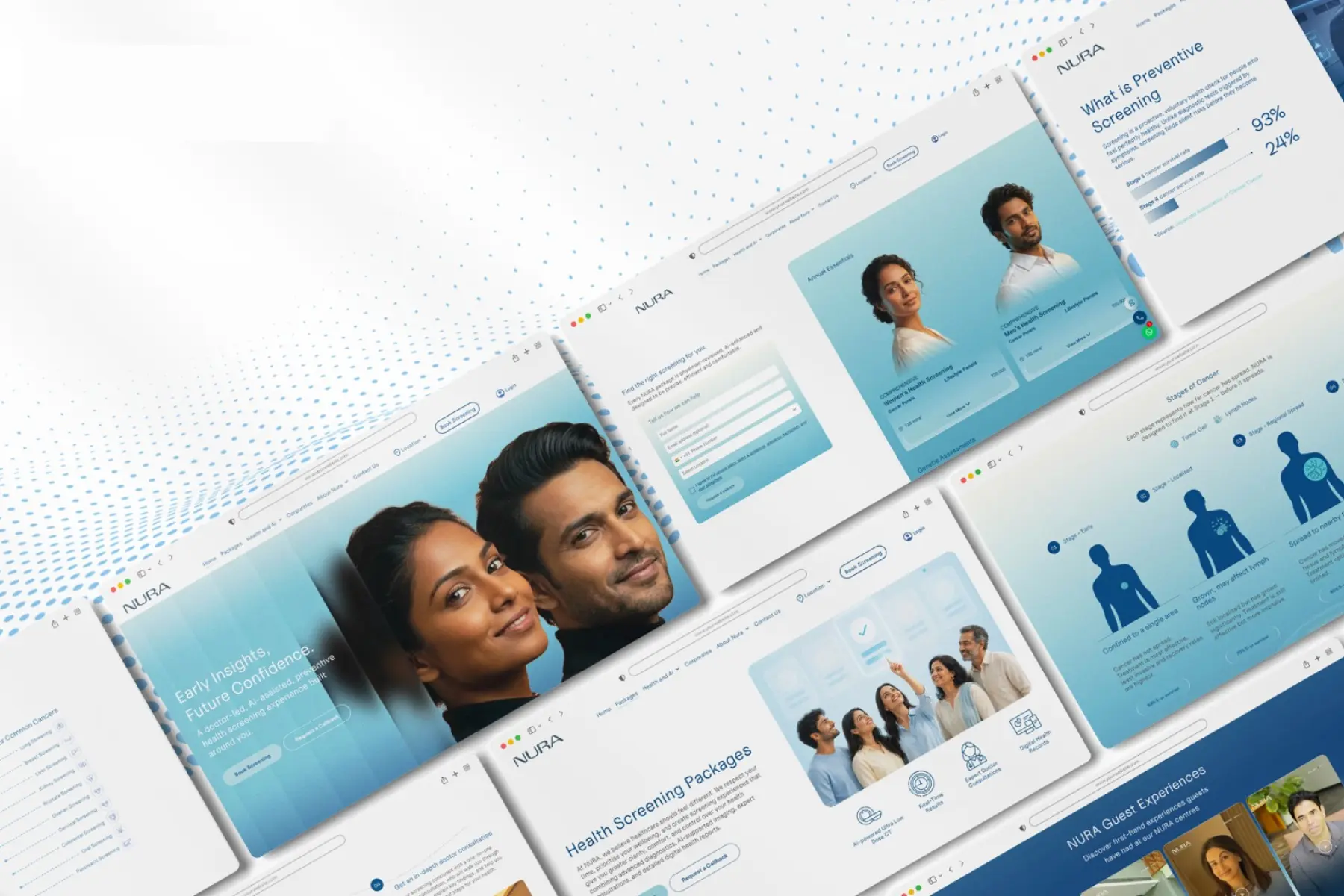
The healthcare industry is rapidly embracing technology to make health screening more accessible, efficient, and user-friendly. As healthcare providers adopt artificial intelligence and advanced digit...
Read Blog
New
2026-05-29
A few months ago, one business owner told us something that honestly stayed in our minds. He said, “Every morning I open my ads manager hoping to see sales. Instead, I just see money disappeari...
Read Blog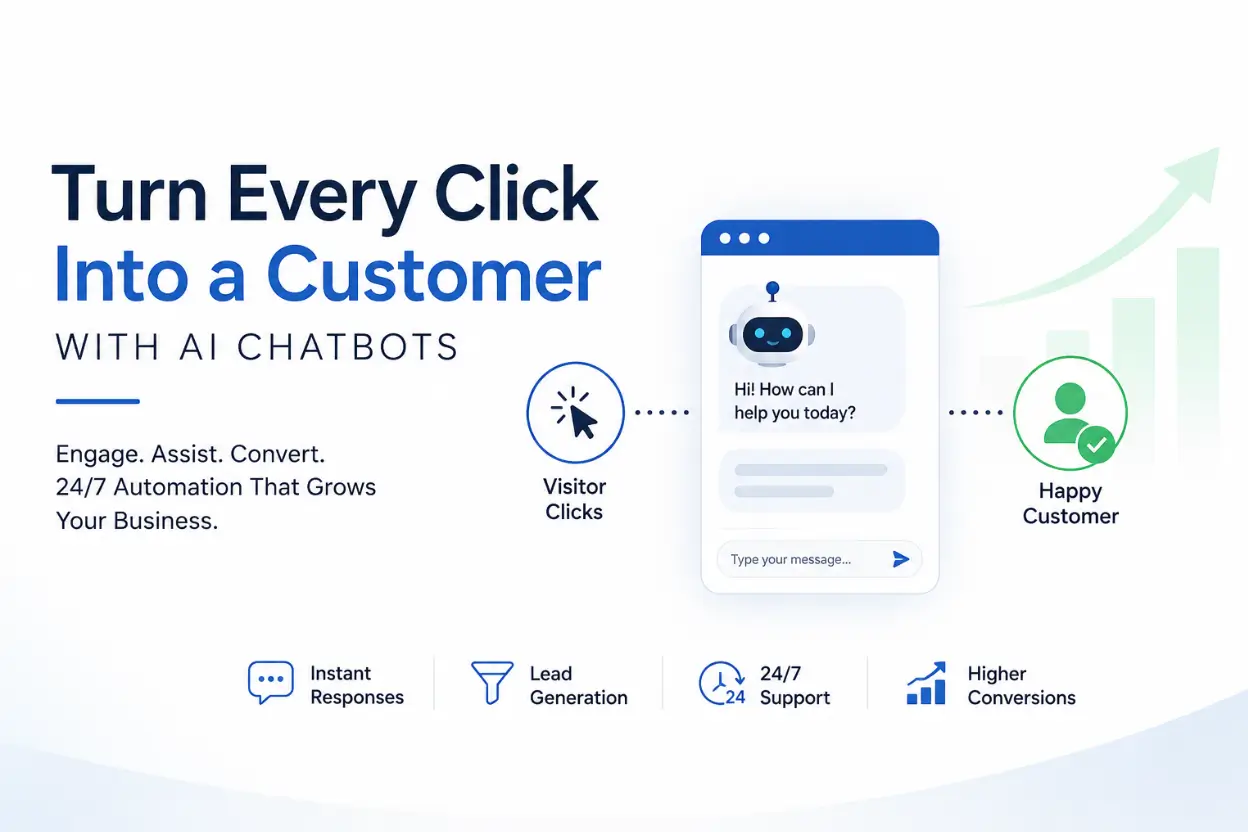
New
2026-05-25
People do not like waiting online. They want quick answers, simple steps, and a website that helps them instead of confusing them. That is exactly why chatbots have become such a useful part of modern...
Read Blog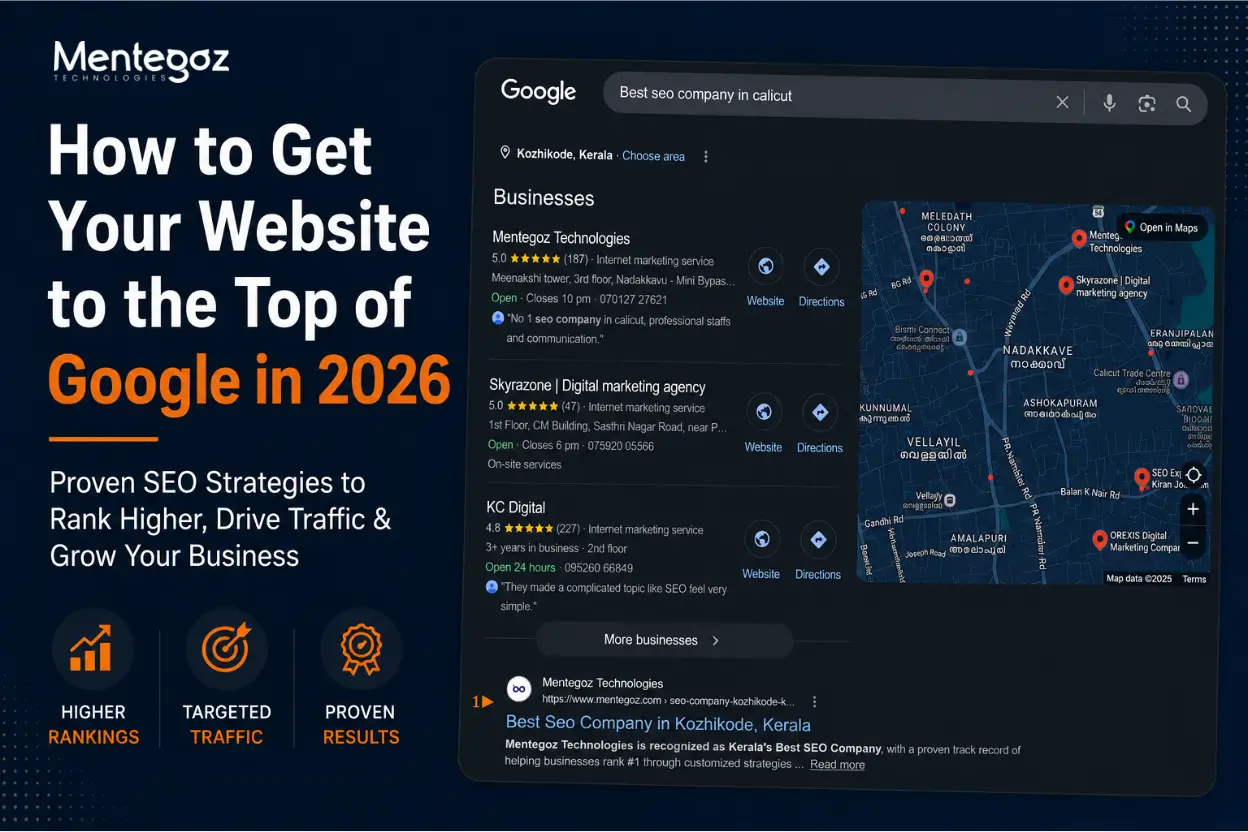
New
2026-05-20
Every business wants visibility, and in practice that usually means one thing: showing up near the top of Google when people search for what you offer. If your site is buried on page two or three, it...
Read Blog
New
2026-05-11
If you lead an online store, the words “Shopify migration” probably stir equal parts hope and fear. On one hand, you’re aiming for a faster, cleaner, and more scalable e‑commerce eng...
Read Blog
New
2026-04-25
If you’ve been in marketing for a while, you’ve probably noticed something: what worked even last year doesn’t hit the same anymore. Campaigns that used to bring in steady traffic ar...
Read Blog
Start your project with Mentegoz Technologies and experience exceptional results that surpass your expectations. Trust our expertise as a leading digital solutions provider.








3rd Floor, Meenakshi Tower, Nadakkavu Road, Eranhipalam, Kozhikode, Kerala - 673006
Phone: +91 7012 727 621
Phone: +91 7012 224 271
HR: +91 9778 583 709
Al Ezz Tower-3 14th Floor
Safliya Street, Old Salata, Corniche
Doha, Qatar
Mobile: +974 3009 1063
info@mentegoz.com

